This post may contain affiliate links. Please read our disclosure policy.
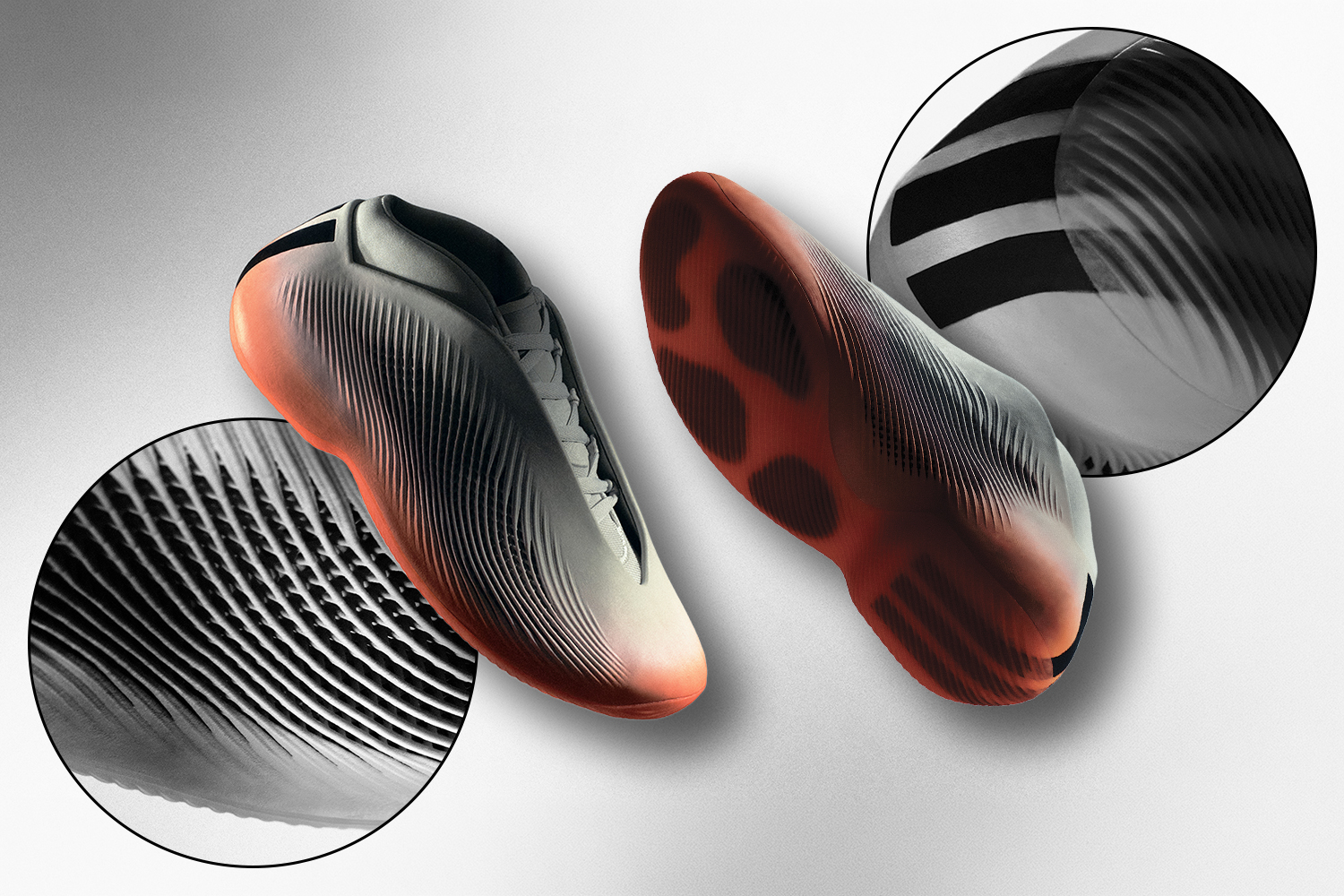
The $250 BB.01 drops on the Confirmed app as the first 3D-printed basketball shoe you can actually buy. adidas Basketball GM Max Staiger sat down with me at Summer League to explain why hoops led the rollout, why version one runs a little heavier, and why this is only the opening page of a much longer book.
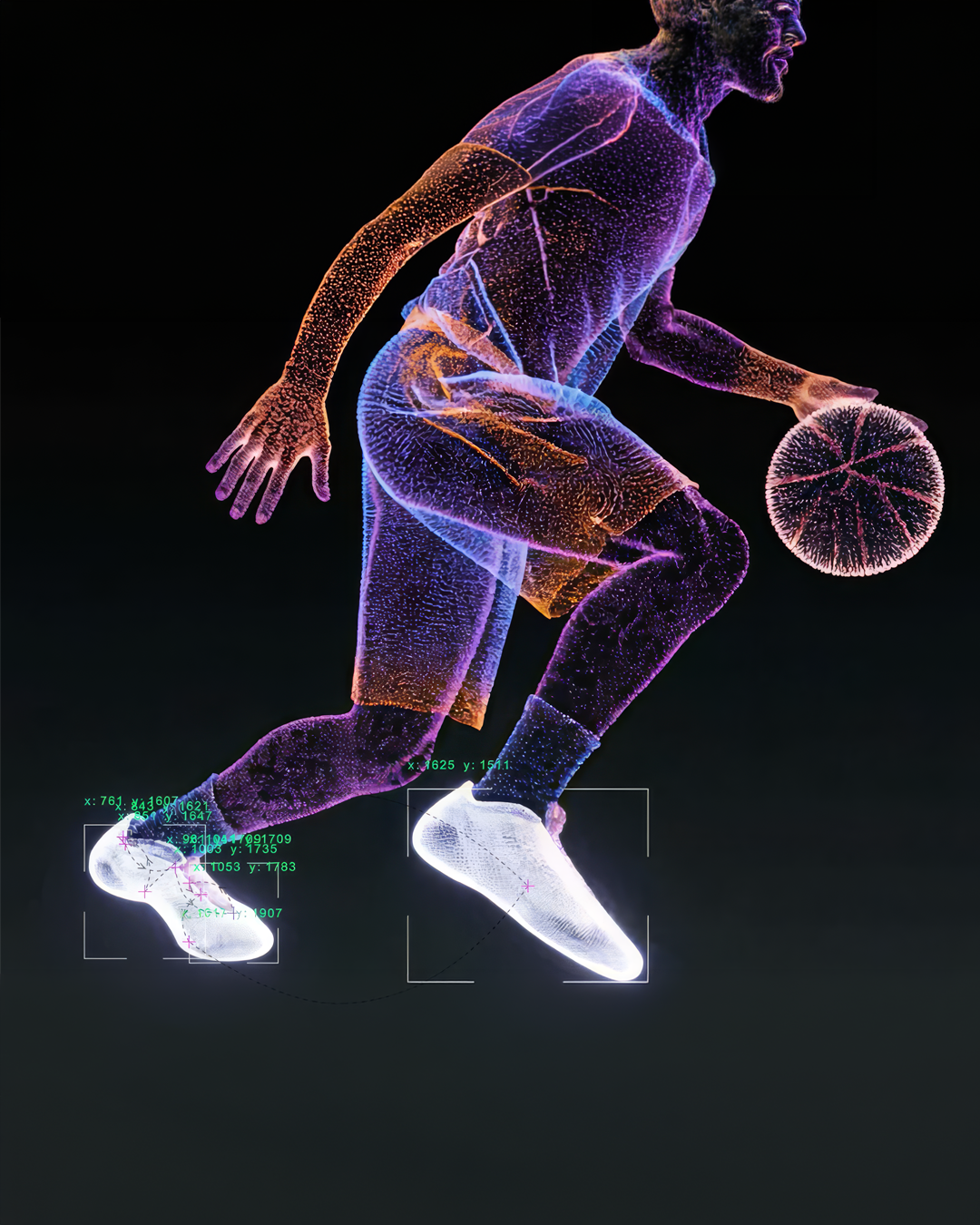
There’s a version of the future where you walk into an adidas store, put your foot on a scanner, grab a coffee, and come back a couple hours later to a basketball shoe printed for exactly your feet and no one else’s. Max Staiger, adidas’ GM of Basketball, calls that a “pipe dream.” But when I sat down with him at Summer League to talk about the adidas PROJECT: R.A.P. BB.01, it became pretty clear he doesn’t think it’s staying a dream for long.
The BB.01 is the first 3D-printed basketball shoe you can actually buy. It drops on the Confirmed app at $250, and roughly seventy percent of it comes off a printer: everything but the sock liner your foot sits in. It’s the consumer front of PROJECT: R.A.P., an adidas innovation program that’s already produced a 3D-printed soccer boot and a teased football cleat. But basketball is the one that made it to the shelf first, and there’s a reason for that.
Why basketball led the rollout
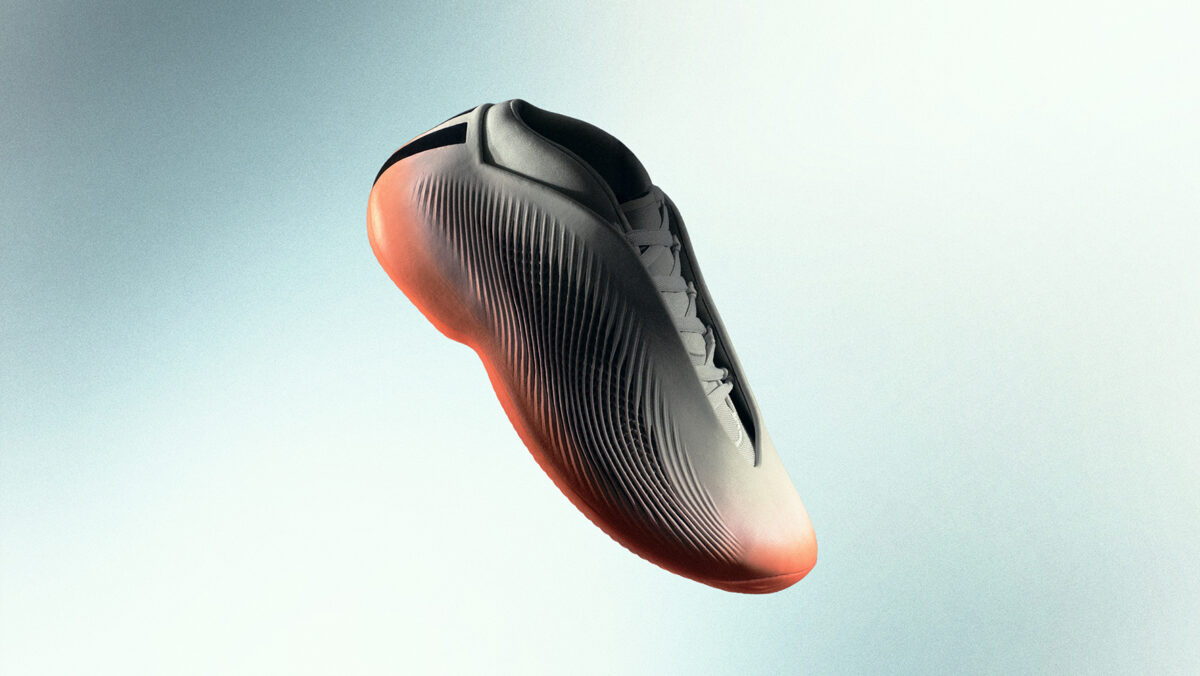
PROJECT: R.A.P. stands for Radical Athlete Perception, and Staiger frames the whole thing around a single idea: build something an athlete forgets is even there. “The ultimate goal is always to build something where an athlete almost forgets they’re wearing something,” he told me, “but it’s there for everything that they need” — explosiveness, lateral stability, quickness, whatever the moment calls for.
So why hoops before the boot or the cleat? Because basketball is the proving ground where the two halves of a sneaker’s life collide. “Basketball is always the sport that sits at this intersection of culture and performance,” Staiger said. It’s the rare category where someone buys a shoe to actually go hoop, and someone else buys the exact same shoe because the colorway is clean and it’s never touching a court. That mix, he explained, made basketball the best test case to see how people would react. So far, in his words, “it’s been pretty good.”
One shoe, built from everyone’s feedback
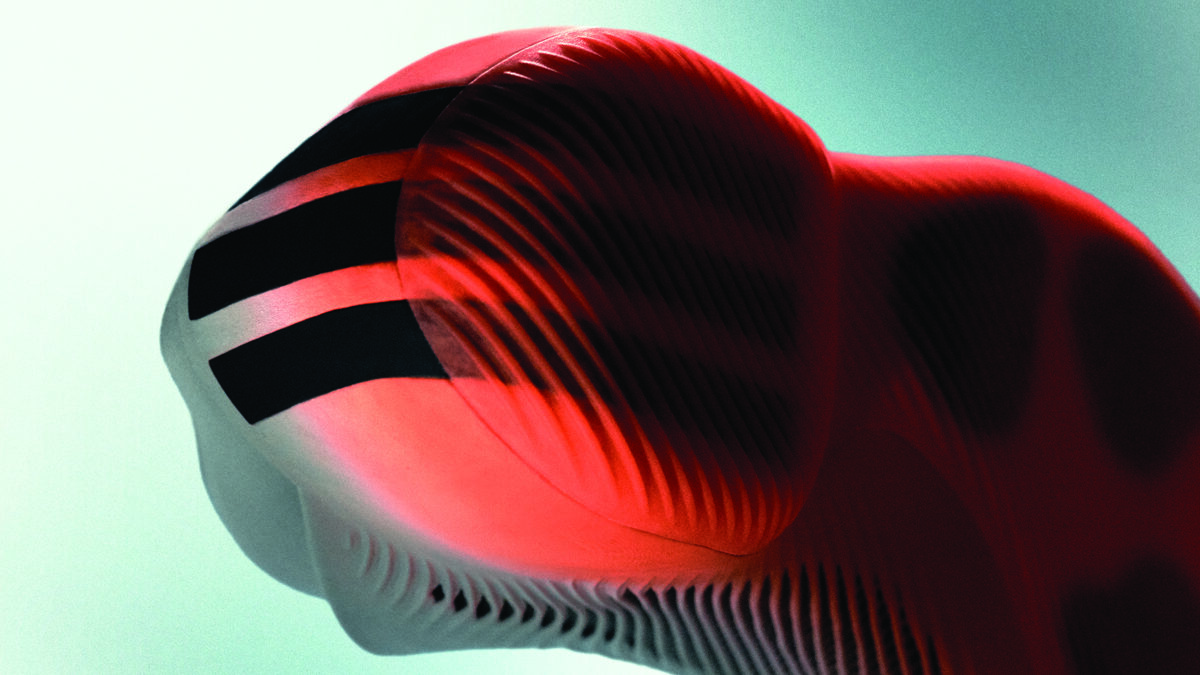
The soccer side of PROJECT: R.A.P. went narrow, with adidas fine-tuning those boots for two specific footballers, down to the level of how a single toe sits in the front of the shoe. The BB.01 took the opposite path. adidas put it on a rotating cast of next-generation athletes and treated their notes as raw material for a shoe meant to work for everybody.
That’s the quiet superpower of printing a shoe instead of molding one: you can chase the individual and the mass market with the same technology. On the soccer side you tune for one athlete’s feel; on the basketball side you pool feedback from the best young players you can find and build outward. Both approaches, Staiger insists, are the real future of the program, not one or the other.
The stealth debut nobody announced
If you were watching March Madness closely, you might have already seen this shoe without knowing it. Darryn Peterson took the BB.01 out for a spin during a practice: no name, no announcement, no press release. The practice just happened to be televised.
When it started picking up traction online, adidas didn’t flinch. “We love when it gets traction online,” Staiger said with a grin. Peterson was one of many athletes testing the shoe, he was feeling good about it, and he wanted to run in it. The internet did the rest. “We didn’t mind that based on the reaction.”
No molds, no eight-week wait
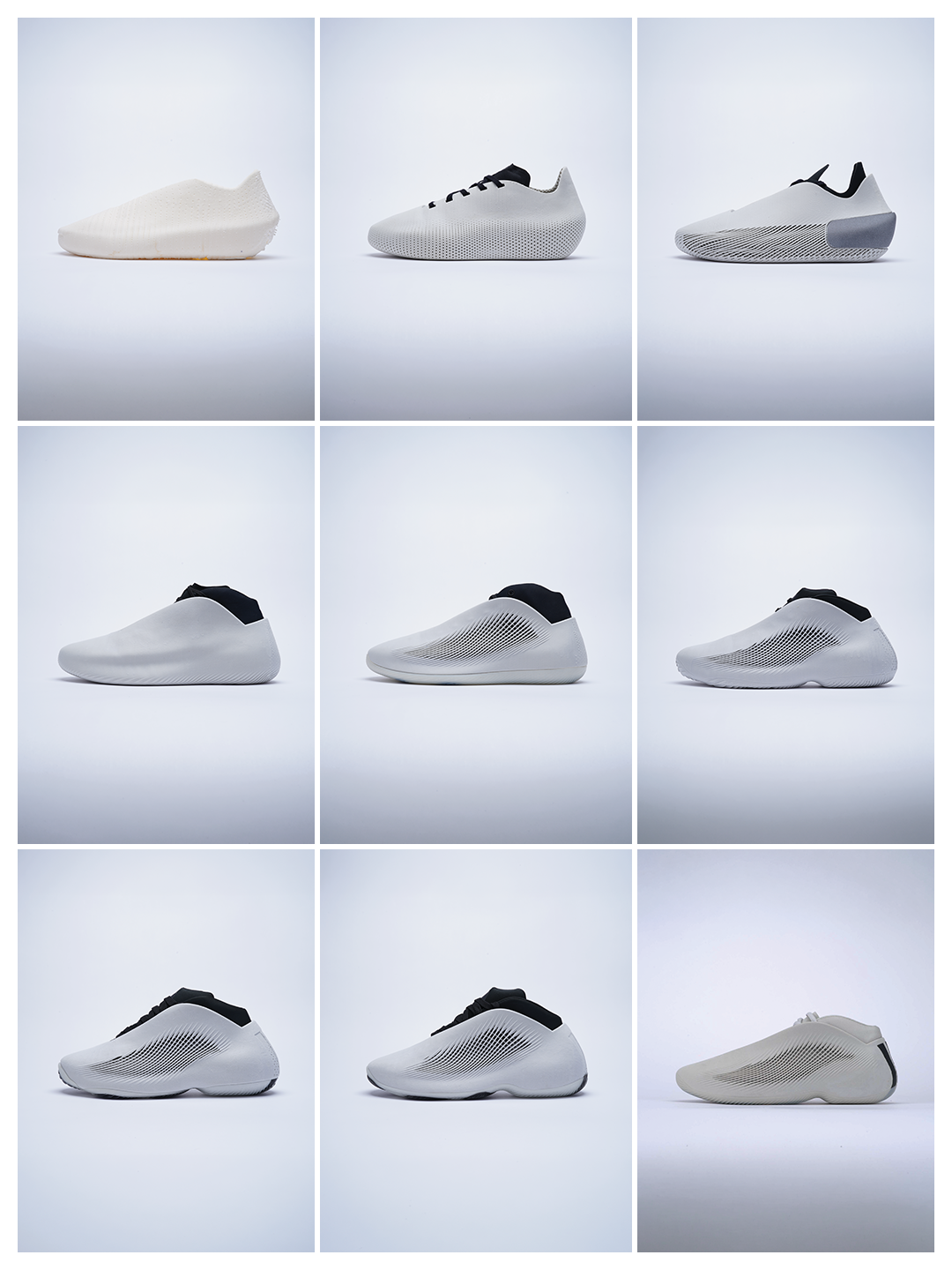
Here’s where the tech stops being a marketing line and starts being a genuine advantage. When an athlete flags something on a traditional shoe, the fix can mean reopening a mold or reworking how a stitch line resolves, then waiting weeks to see it. On the BB.01, a change is a change to a computer program.
“It really is almost daily and weekly, because there’s no lag time,” Staiger explained. “We don’t have to wait eight weeks to open a mold.” And when a version doesn’t work? “If you don’t like it, it gets melted back down and reused, and we do it again.” The shoe on shelves is, in his words, version one, and the iterations behind it never really stopped.
The weight trade-off, said out loud
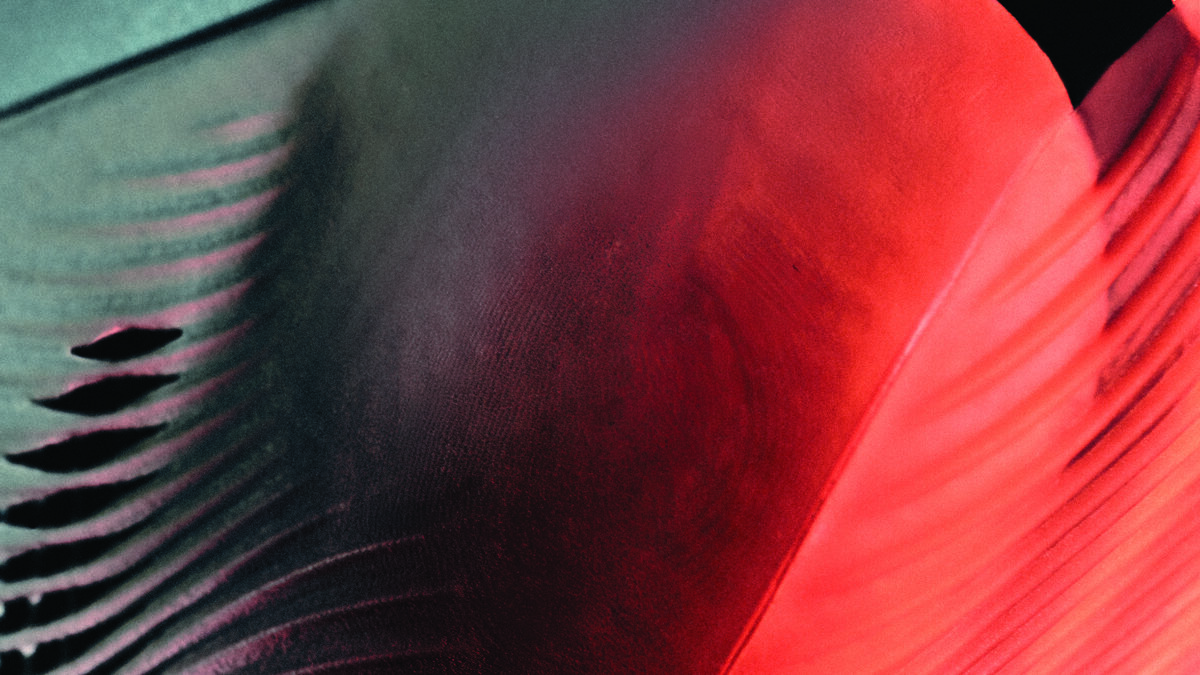
The BB.01 sits a touch heavier than a lot of what’s on the wall right now, and Staiger didn’t dodge it. If anything, he was refreshingly direct about the journey. “You should have seen the first round of this,” he said. “It was much, much heavier.” Athlete feedback pushed the weight down significantly, until it landed in the midpoint of adidas’ range.
His pitch to a hooper used to featherweight builds is honest about the swap. If you want the lightest thing on the market, adidas has that shoe, and it isn’t this one. But if you want the first 3D-printed basketball shoe, one that trades a little weight for more lockdown and a genuinely different sensation underfoot, this is the one.
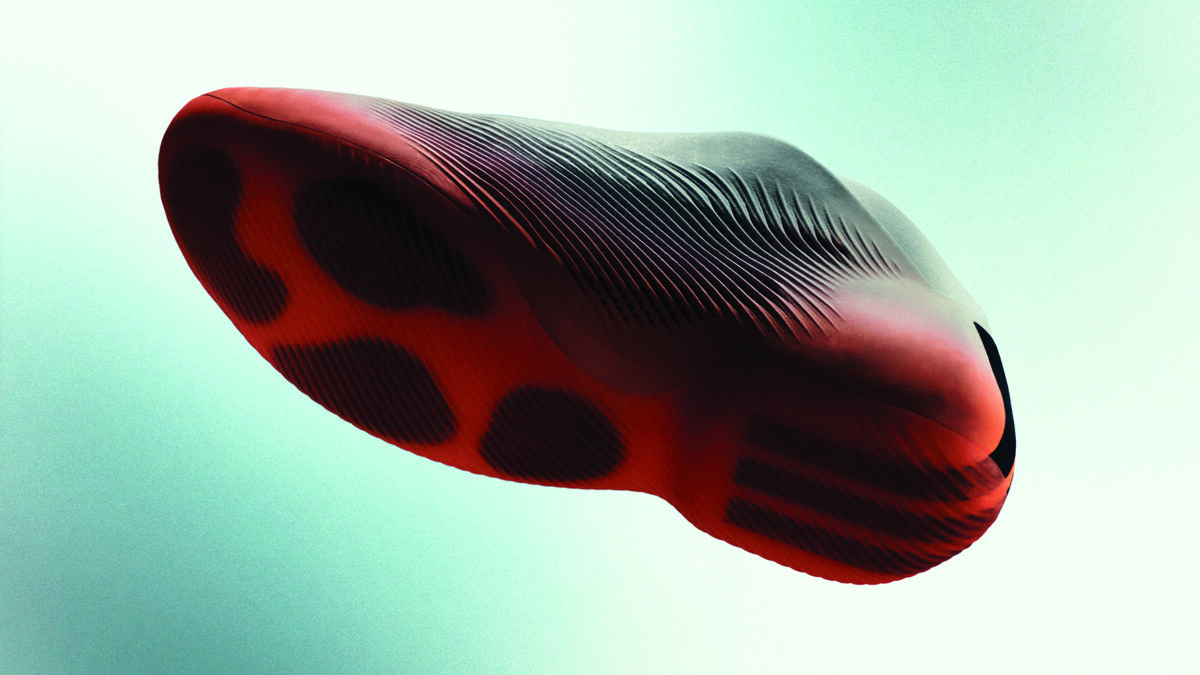
And that sensation is the part he kept coming back to. In a normal shoe, he pointed out, you’re standing on rubber, then a midsole, then a Strobel. A whole stack of stuff. The BB.01 collapses that. “This really does almost give you the sensation that your foot kind of flows to the court,” he said. He’s wear-tested the first prototype and the latest build, and the gap between them, he told me, is “absolutely amazing.”
“Just the first chapter”
The name is a promise. BB.01 implies a BB.02, and Staiger doesn’t hide from it. Asked what’s next, he kept it short: “That there will be a next chapter.” This, he said, “is just the first chapter of, I would say, a very long book that we’re writing,” and he’s quick to note he’s not writing it alone.
He’s also convinced the printing won’t stay contained to fully printed shoes. Ask him whether PROJECT: R.A.P. tech could show up in a signature line and the answer is immediate: “One hundred percent.” The technology, he expects, will start appearing as an ingredient inside products that aren’t fully printed at all.
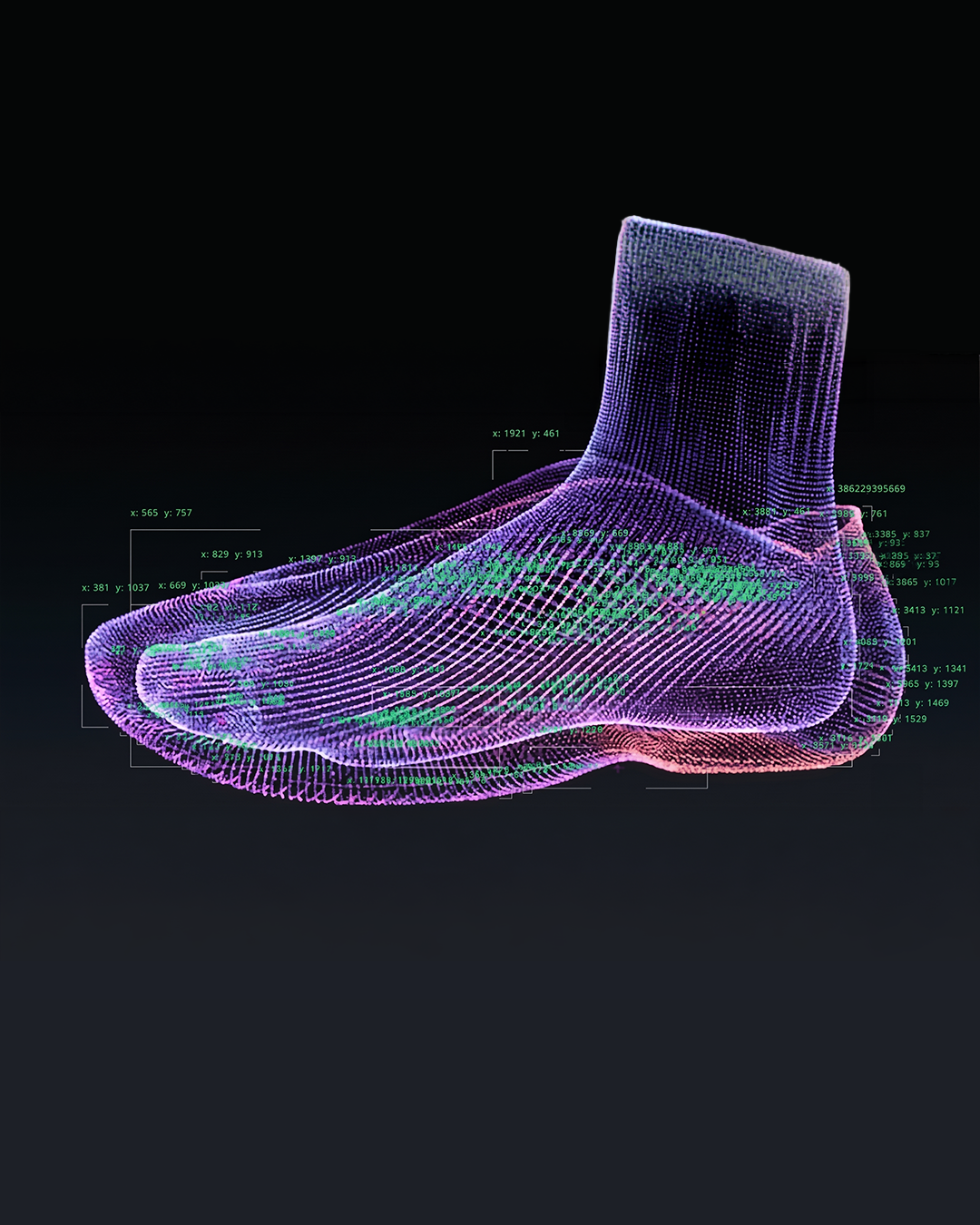
Which brings it back to that scanner by the door. Push the print speed far enough, Staiger says, and you could scan a foot in-store and hand someone a shoe built for them a few hours later: “truly individualized performance.” A pipe dream, sure. But the BB.01 is the small step that points there, and after an afternoon talking it through, I’m inclined to agree with him: we’re on that path.